Can Junk Removal Companies Recycle Old Furniture and Household Items?

Tackling an overgrown lawn or fallen branches requires a solid plan. Homeowners often face confusion regarding what to do with yard waste after a heavy storm. Handling organic material properly keeps your property safe and prevents pest infestations. A strategic approach helps you manage the mess responsibly. You must clear organic matter quickly to protect the grass underneath.
You need defined steps to clear yard debris efficiently. Leaving piles of natural matter on your lawn blocks sunlight and damages the roots beneath. Timely action protects your landscaping investments and maintains curb appeal. Let us look at the most effective ways to handle green waste all year round.
Effective organic waste management starts with sorting materials right on your property. Grass clippings, fallen leaves, and thick tree branches require different handling techniques. Separating these items saves time when you process them later. Small, categorized piles are much easier to handle than one massive heap of mixed material.
Proper sorting also prevents hazardous materials from mixing with your compostable goods. Treated wood, plastics, and regular trash must stay far away from your organic piles. Keeping the streams clean ensures you can recycle natural materials back into the earth safely. This step forms the foundation of good property maintenance.
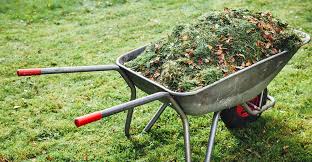
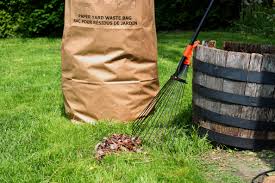
Choosing specific yard debris disposal methods depends heavily on the volume of material. Small residential properties might only need a few paper lawn bags for weekly grass clippings. Larger estates with mature trees often require heavy machinery or dedicated hauling services. Assess your total volume before deciding on a route.
You can choose municipal pickup, DIY hauling, or private removal services to clear yard debris effectively. Each option carries distinct time commitments and financial costs. Local regulations often dictate which options are actually available in your specific neighborhood. Checking your city guidelines prevents unnecessary fines and saves you major headaches.
Creating a compost pile recycles nutrients directly back into your garden soil. Many people ask how to compost yard clippings without attracting pests or bad odors. The secret lies in maintaining the right balance of green and brown materials. Grass provides green nitrogen, while dried leaves offer brown carbon.
You should turn your compost pile every few weeks to introduce oxygen to the mix. Aeration speeds up the natural breakdown process and keeps the pile smelling earthy rather than rotten. Consistent moisture levels also help the microorganisms do their job faster. Within months, you get rich garden soil.
Thick wood requires a different approach than soft grass. Composting branches and leaves works best when you run the wood through a chipper first. Small wood chips decompose much faster than whole limbs and create excellent mulch. Unchipped branches can take years to break down completely in standard piles.
Layering wood chips with wet leaves creates an ideal environment for beneficial fungi. These organisms specifically target tough woody fibers and break them down over time. Keep this pile separate from your fast-acting vegetable compost. This method produces excellent long-term soil structure improvements for any home garden or flowerbed.
City sanitation departments enforce strict rules regarding curbside collection. Preparing yard waste for pickup correctly ensures the trucks actually take your bags away. Most municipalities require biodegradable paper bags rather than standard plastic trash bags. Check specific weight limits per bag so sanitation workers can lift them safely.
Cut all long branches into manageable sections before bundling them together. Tie these bundles securely with natural twine instead of synthetic ropes or wires. Make sure the bundles meet your city length restrictions, which usually hover around three feet. Proper preparation guarantees a smooth collection day without leftover piles.
Sometimes you have too much material for a standard curbside collection day. Knowing exactly where to dump yard waste saves you from driving around aimlessly with a loaded truck. Most counties operate dedicated green waste facilities or municipal composting centers. These locations accept large loads for a small fee.
Always call the facility ahead of time to confirm operating hours and accepted materials. Some centers refuse soil or root balls due to the risk of spreading invasive pests. Bring a tarp to cover your load during transport to comply with highway safety laws. Proper facilities keep organics out of landfills.
Choosing eco-friendly yard waste removal means prioritizing recycling over simply throwing things away. Professional junk removal companies often partner with local farms or mulch producers. These partnerships ensure tree branches become useful landscaping products instead of taking up dump space. Conscious removal reduces your overall environmental footprint significantly.
You can also look into community garden programs that need extra organic material. Some urban farms gladly accept clean grass clippings or autumn leaves for their soil building projects. Donating green waste supports local agriculture and keeps the community clean. It provides a highly effective way to clear yard debris responsibly.
Different seasons bring entirely different landscaping challenges to your property. Following a seasonal yard clearing guide keeps you ahead of the weather and prevents overwhelming buildups. Spring requires clearing out dead winter growth and preparing garden beds. Early intervention prevents mold and disease from taking hold in damp soil.
Summer maintenance focuses heavily on managing grass clippings and regular pruning. Fall brings a massive influx of dropping leaves that require constant raking and bagging. Winter preparation involves cutting back dead branches that could snap under heavy snow loads. Staying on top of seasonal shifts makes the workload much lighter.
Efficiency cuts down the hours you spend sweating in the sun. Using the right yard cleanup tips transforms a weekend-long chore into a quick morning task. Always rake leaves onto a large plastic tarp instead of trying to bag them individually. You can easily drag full tarps to bagging stations.
Invest in ergonomic tools to protect your back and joints during heavy work. A high-quality, lightweight rake and sharpened pruning shears make a massive difference in physical fatigue. Keep tools clean and dry to prevent rust and maintain sharp edges. Good equipment lets you clear yard debris faster and safer.
Fallen trees present a significant safety hazard and require immediate attention. You must cut large trunks into manageable firewood lengths using a reliable chainsaw. Always wear proper safety gear, including chaps and eye protection, when operating heavy machinery. If a tree is too large, calling a professional is safer.
Stack the cut wood neatly in a dry area to season it for future winter fires. Proper stacking allows air to flow through the logs and prevents rot or insect nesting. Elevate the bottom layer off the ground using pallets. This turns a fallen tree into a valuable heating resource.
Not all green waste belongs in a compost pile or municipal recycling center. Invasive plant species require complete destruction to prevent them from spreading to new areas. Weeds like poison ivy can survive the composting process and return stronger. You must handle these specific plants with extreme caution and bagging.
Place invasive weeds into thick plastic bags and leave them in the direct sun. The extreme heat generated inside the bag kills roots and seeds over several weeks. Once neutralized, you can safely dispose of the bags in standard trash receptacles. Never mix these weeds with your normal green waste.
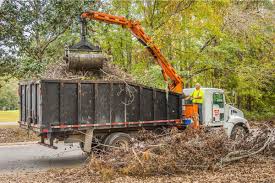
Handling massive property cleanouts is often too much for a single homeowner. Hiring a professional service saves you intense physical labor and countless trips to the dump. Experts have trucks, equipment, and manpower to clear large areas quickly. They handle all the heavy lifting, loading, and local disposal fees.
Look for fully licensed and insured companies to protect your property during the removal process. Professionals know how to navigate tight spaces without damaging fences or remaining landscaping. They also maintain established relationships with local recycling centers to ensure proper disposal. This route works perfectly for major storm cleanups.
Leaving grass clippings on your lawn acts as a natural fertilizer. This practice returns nitrogen directly to the soil and reduces your overall waste output. You need a mulching mower blade to chop the clippings finely enough for this to work. Small pieces break down rapidly and feed grass roots.
You can apply this same concept to autumn leaves using your lawnmower. Run over dry leaves several times until they are reduced to dime-sized pieces. These shredded leaves settle into the grass and decompose over the winter months. This builds incredible soil health without requiring you to bag a leaf.
Burning green waste is illegal in many dense residential areas due to air quality concerns. Wildfire risks also make open burning a dangerous choice during dry summer months. Always check local fire marshal regulations before striking a match near a brush pile. Ignoring laws causes severe fines and property damage.
Another frequent mistake is overloading paper lawn bags until they rip at the seams. Wet leaves weigh significantly more than dry ones, causing bags to fail during transport. Fill bags only three-quarters full to leave enough paper at the top for a fold. Careful packing keeps bags fully intact.
Consistent maintenance schedules prevent green waste from becoming an overwhelming problem. Tackling small tasks every weekend stops material from piling up into unmanageable mounds. A proactive stance keeps your yard looking pristine and protects the health of existing plants. You spend far less time playing catch-up with a strict routine.
Use all available resources in your community to handle organic matter responsibly. Whether you choose to compost, mulch, or hire a professional removal team, having a plan works best. Clean properties benefit the neighborhood and support local ecological systems. Proper disposal methods protect the environment and maintain your home value.
Serving Essex County, New Jersey and surrounding counties with junk removal and light demolition—your one-stop solution for reclaiming your space, your time, and your peace of mind