How Do Junk Removal Companies Dispose of Junk?

Every year, homeowners across the country haul away furniture, appliances, and yard debris without ever asking where that junk actually goes. Junk removal companies handle a lot more than pickup and hauling. Behind every job is a detailed junk disposal process built to keep usable items out of landfills and materials moving toward recycling centers.
This guide walks through how junk gets sorted, recycled, donated, and disposed of after pickup from homes and businesses. You will learn what happens after pickup, which materials get recycled, and how responsible waste disposal practices protect the environment while keeping your property clutter free and organized.
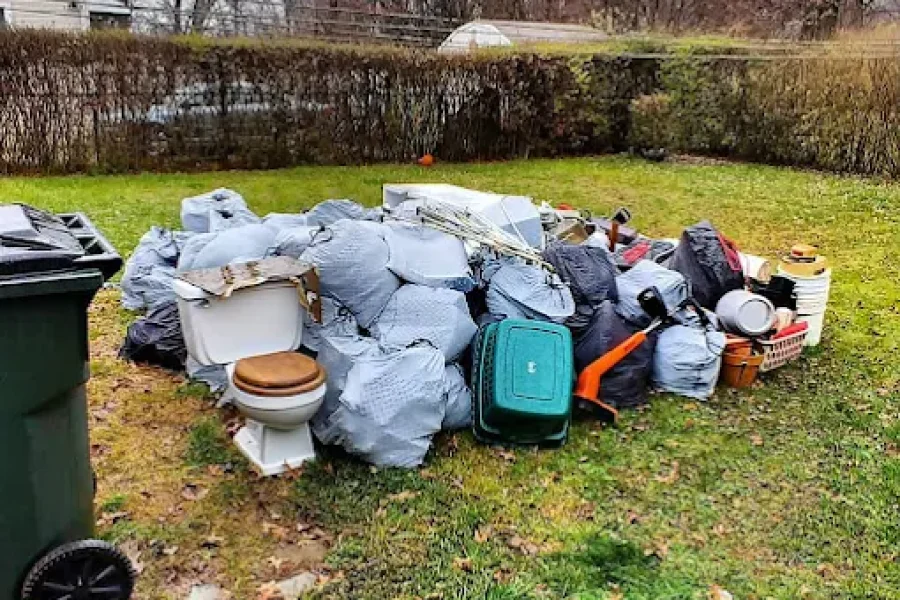
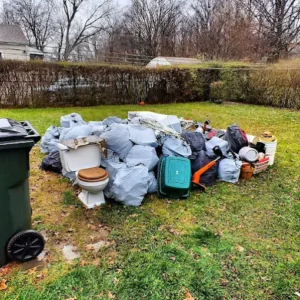
Once a junk removal crew loads items onto their truck, the real work begins back at their sorting facility. These crews do not simply drop everything at the nearest landfill. Items get separated based on material type, condition, and whether they can be reused, recycled, or must be discarded through approved waste management services.
Crews trained in proper waste sorting process techniques check each load for donatable furniture, working appliances, scrap metal, and hazardous materials that need special handling. This step determines the entire direction of the process and keeps recyclable materials out of general trash.
Sorting starts the moment junk arrives at a facility. Workers separate wood, metal, plastic, cardboard, and electronics into their own categories. This waste sorting process makes it easier to send recyclable materials to the correct recycling centers instead of mixing everything together and sending it straight to a landfill.
After sorting, usable furniture and appliances often go to donation centers or resale organizations. Scrap metal heads to metal recyclers, cardboard and paper move to recycling centers, and non-recyclable waste travels to a waste transfer station or municipal waste disposal facility. Hazardous items follow separate, regulated handling apart from general waste collection.
Furniture disposal services focus on giving old couches, tables, and mattresses a second life whenever possible. Pieces in good condition are donated or resold, while damaged furniture is broken down so wood, metal, and fabric can be separated for furniture recycling instead of landfill disposal.
Appliance removal follows a similar path. Refrigerators, washers, and stoves contain metal, wiring, and sometimes refrigerants that require careful handling. Appliance recycling programs recover scrap metal and dispose of hazardous components according to local disposal regulations, keeping harmful materials away from soil and water.
Construction debris removal deals with heavier materials like drywall, concrete, brick, and lumber left over from renovations. These materials are sorted separately because wood recycling and scrap metal recycling follow different processing paths than general household trash, and mixing them slows down the entire disposal process.
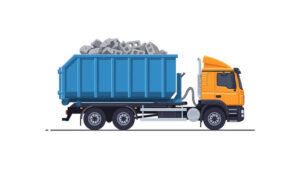
Bulk waste removal covers oversized items that will not fit in a regular trash bin, such as old mattresses, furniture sets, or fencing. Crews break down what they can and route remaining materials to recycling centers or a material recovery facility built to handle larger volumes efficiently.
Electronic waste disposal requires extra care because old televisions, computers, and batteries contain materials that can harm the environment if thrown away carelessly. Electronic waste recycling programs break these items apart to recover metals and safely handle hazardous waste disposal components like lead and mercury.
Homeowners often store broken electronics for years simply because they are unsure how to dispose of them properly. Junk removal companies follow disposal regulations that route this equipment to certified recyclers, reducing the environmental impact of waste that would otherwise sit in a landfill for decades.
Recycling centers process a wide range of recyclable materials pulled from junk removal jobs, including scrap metal, cardboard, plastic, and wood. Cardboard recycling and plastic recycling divert significant volume from landfills, while wood recycling turns old furniture frames and pallets into mulch or new building material.
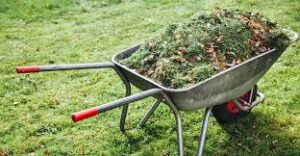
Green waste disposal and yard waste removal follow their own path, often composted rather than landfilled. Waste segregation at the sorting facility makes sure each material type reaches the right recycling center, which keeps the overall junk disposal process efficient and reduces unnecessary landfill use.
Not everything collected during a cleanout needs to be thrown away. Donation of unwanted items keeps furniture, clothing, and household goods in circulation instead of adding to landfill volume. Reputable junk removal services partner with local charities to make sure usable items reach people who need them.
The donation vs disposal decision usually comes down to condition. Items in working order support reuse and recycle efforts and a circular economy, while broken or unsafe items move into standard disposal channels. This balance is part of what makes sustainable junk removal effective for homeowners.
Eco-friendly junk removal reduces the amount of waste sent to landfills by prioritizing recycling and donation as the first steps in the junk disposal process. Sustainable waste management practices lower the environmental impact of waste and support local recycling centers that depend on steady material flow.
Choosing responsible waste disposal also means fewer resources are pulled from the earth to create new products. Recycling junk such as scrap metal, cardboard, and plastic feeds directly into manufacturing supply chains, helping reduce landfill waste while supporting a more sustainable local economy.
Residential junk removal typically involves garage cleanout, attic cleanout, and property cleanout projects tied to moving, downsizing, or general decluttering. Commercial junk removal deals with larger volumes from office cleanout projects, retail spaces, and construction sites, often requiring more coordinated waste collection and hauling services.
Both residential and commercial jobs rely on the same core waste management services behind the scenes, from sorting and recycling to hauling and disposal. The main difference lies in scale, timing, and how debris is staged for pickup, but the process itself stays consistent.
Understanding the junk disposal process is one thing, watching your garage, attic, or yard clear out is another. If old furniture, appliances, construction debris, or electronics have been piling up, Junk Moor LLC handles the sorting, hauling, and responsible disposal so you do not have to figure it out alone.
Our crews manage furniture disposal services, appliance removal, construction debris removal, and electronic waste disposal, applying the same junk disposal process described throughout this guide. Whether you need a single item picked up or a full residential junk removal or commercial junk removal project handled, our team is ready.
Junk Moor LLC proudly serves homeowners and businesses throughout Nutley, NJ. Call +1(908) 986-3366 to schedule a pickup, ask questions about our process, or get your property back to a clean, clutter free state. A quick call is all it takes to get your junk moving in the right direction.
Serving Essex County, New Jersey and surrounding counties with junk removal and light demolition—your one-stop solution for reclaiming your space, your time, and your peace of mind